$20.00
We will hold your cart for 15:00.
Everyone remembers their first real hike. Mine was five miles of gradual climb in a cotton t-shirt, denim shorts, and sneakers with laces that came untied every twenty minutes. I finished it, but I also finished it chafed, sunburned, and carrying a water bottle in my hand the entire way like an idiot. The trail was beautiful. The experience was needlessly harder than it had to be.
Here's the good news: day hiking has one of the friendliest gear learning curves of any outdoor sport. You don't need $2,000 of equipment. You need a handful of well-chosen pieces that solve the four problems every beginner hits: sun exposure, uncomfortable clothing, water access, and where to put your phone and keys. This guide walks through each one, explains why it matters, and points you to specific gear worth buying — with nothing on the list you'll use once and shelve.
Beginners underestimate sun exposure more than any other variable. A six-hour hike in open terrain delivers more UV than a full beach day, because you're moving, sweating, and often at elevation where UV intensity climbs roughly 10% per 1,000 meters. Sunscreen helps, but it sweats off, and reapplying with dirty hands on a summit is nobody's idea of fun.
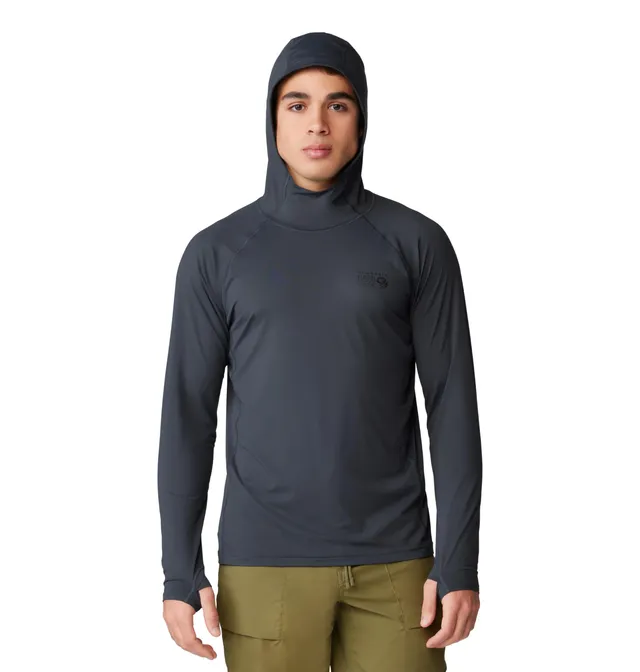
The better play is a proper sun shirt. A good one should feel like nothing — breathable enough that you forget you're wearing long sleeves, with a real UPF rating rather than marketing fluff.
The Mountain Hardwear Crater Lake Hoody is the benchmark here, and it's the shirt I recommend to every new hiker who asks. It carries a UPF 50+ rating, which is the maximum rating textiles get tested for — it blocks over 98% of UV. The fabric is a lightweight stretch knit that breathes far better than a cotton tee, dries fast when you sweat through it, and the hood gives your neck and ears coverage that a collar simply can't. It's also slim enough to layer under a shell or wear under a climbing helmet, so it grows with you as your ambitions do. At $90 with a 4.7-star average across nearly 200 reviews, it's the single highest-leverage clothing purchase a beginner can make.
Jeans on a trail are a rite of passage and a mistake. Hiking involves repeated deep knee bends, high steps over roots and rocks, and a lot of friction in places denim and stiff shorts punish. What you want is stretch, breathability, and a fit that stays put.
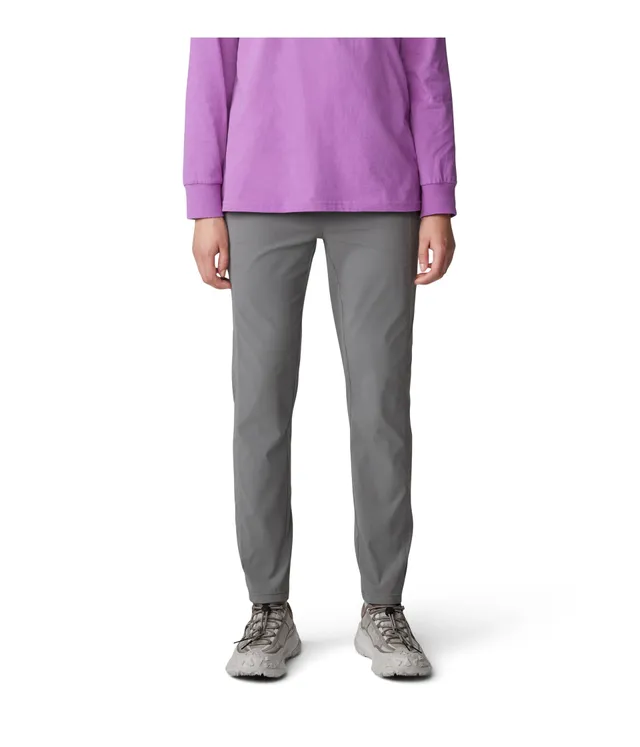
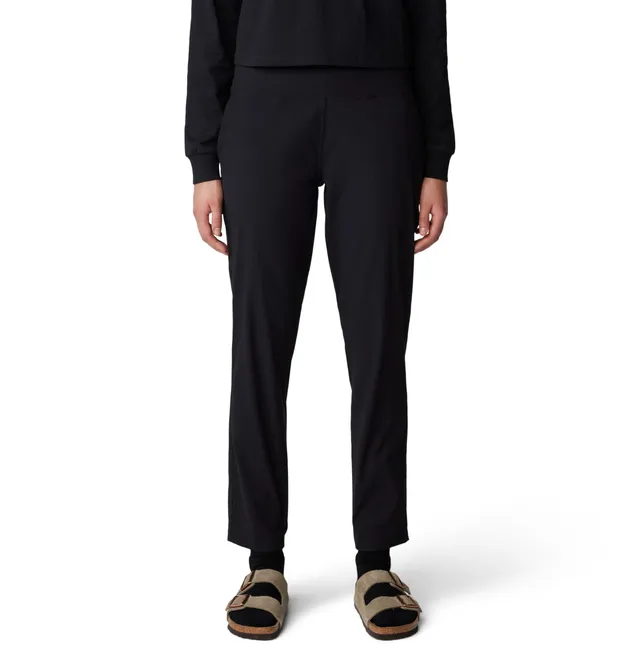
This is also where fit questions matter most, because nobody enjoys guessing their size online. Two quick notes from real-world wear: the Mountain Hardwear Dynama High Rise Ankle Pant runs essentially true to size for most people — the high-rise waist sits snugly and the fabric has genuine give, so if you're between sizes and prefer a relaxed fit, size up. At 5'4" with a 28-inch inseam, the ankle length hits right at the ankle bone rather than pooling, which is exactly what you want on dusty switchbacks.
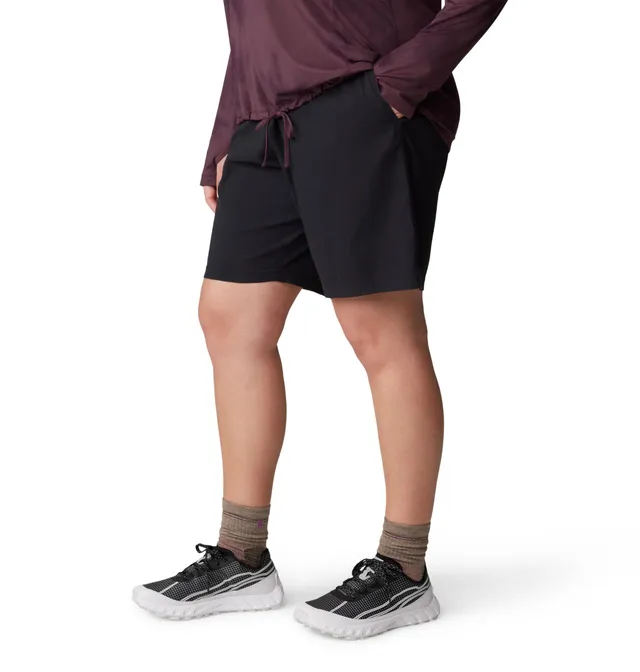
The Dynama line was born as a climbing pant, which tells you everything about its mobility credentials: the fabric stretches through a full knee-high step, the high-rise waistband stays put under a pack hipbelt, and the ankle cut keeps fabric out of your boots and away from mud. If you're shopping in plus sizes, the plus size Dynama Ankle Pants carry the same stretch construction and the same true-to-size reputation — reviewers consistently report consistency across colors, which is rarer than it should be. For hot-weather hikes, the Plus Size Dynama Bermuda gives you the same movement-friendly fabric in a longer short that protects your thighs from sun and brush. Expect to pay between $61 and $91 depending on the cut, and expect them to last years.
Here's the beginner habit that ruins more hikes than blisters: carrying a water bottle in your hand for six miles. It shifts your gait, fatigues your shoulder, and makes every rock scramble awkward. You need water, but you need it hands-free or nearly so.
You have two sensible options, and the right one depends on how you hike:
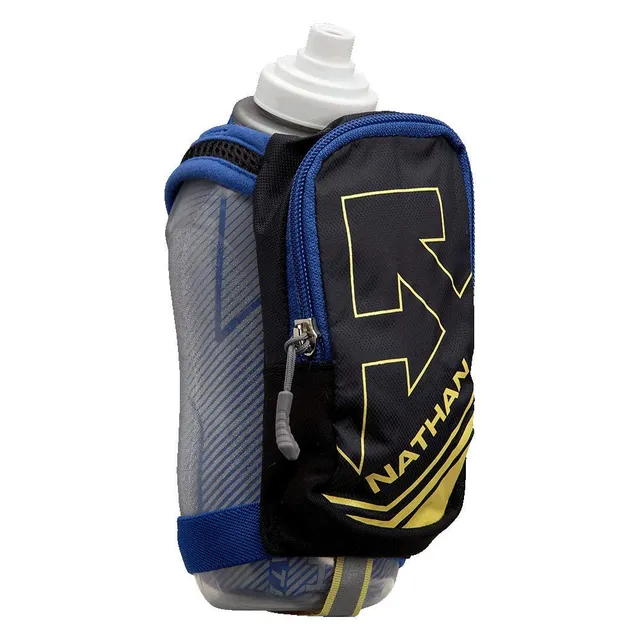
The Nathan SpeedDraw Plus Insulated 18oz is the handheld I point beginners toward. The magic is the grip-free hand strap: the bottle hangs from your hand rather than requiring you to squeeze it, so your fingers stay relaxed. The double-wall insulation keeps water noticeably cooler than a plastic bottle on a hot day, the zippered pocket swallows a phone and keys, and 360° reflectivity means you're visible if your hike runs long into dusk. One practical tip: if the push-pull cap ever leaks or squeaks, it's a replaceable part — Nathan sells replacement caps and valves, so don't retire the whole bottle over a $5 fix.
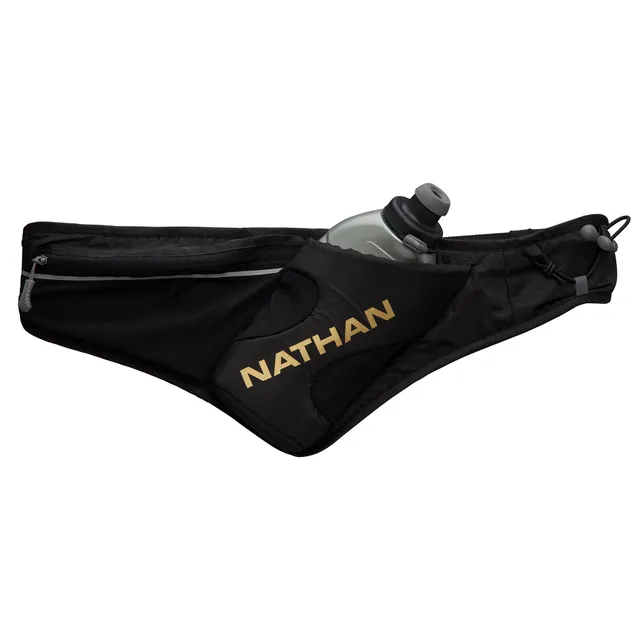
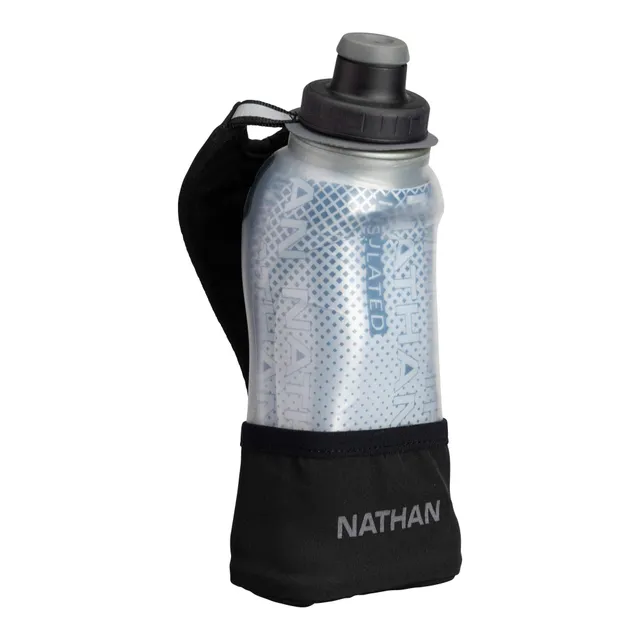
If you'd rather carry nothing at all, the Nathan Peak Hydration Belt moves the same 18oz flask to your hip in an insulated angled holder. The flask uses a push/pull race cap — squeeze the soft bottle, pull the cap, drink. Pulling the flask in and out of the angled holder becomes one-handed and effortless after about two minutes of practice, and the expandable zippered stretch pocket handles gels, a phone, or a light layer. At $52.80, it effectively replaces both a water bottle and a separate waist pack. For a lighter, cheaper entry point, the Nathan Quick Squeeze Lite 12oz trims the insulation and capacity to hit $38.40 — a perfectly good choice for shorter, cooler outings.
Pockets are the great lie of hiking clothing. Even well-designed pants don't hold a phone securely through a full stride, and anything in a pocket rattles, bounces, or falls out when you sit on a rock. A waist belt solves this with almost zero weight and zero bounce, and it's the cheapest meaningful upgrade in this entire guide.
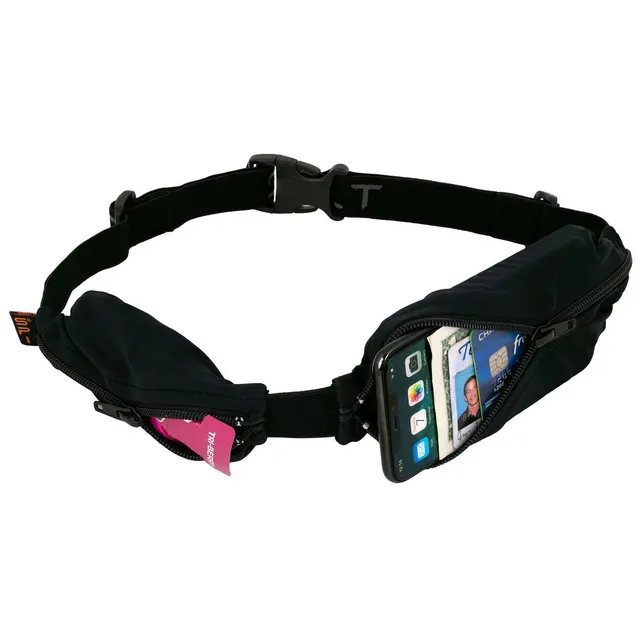
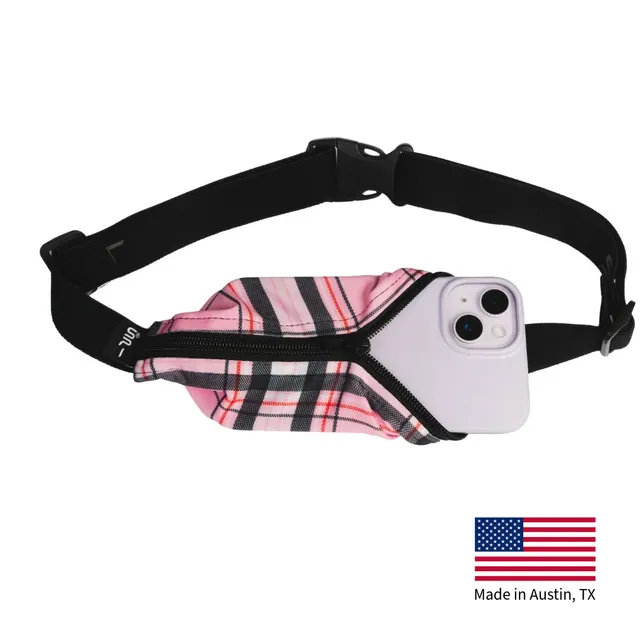
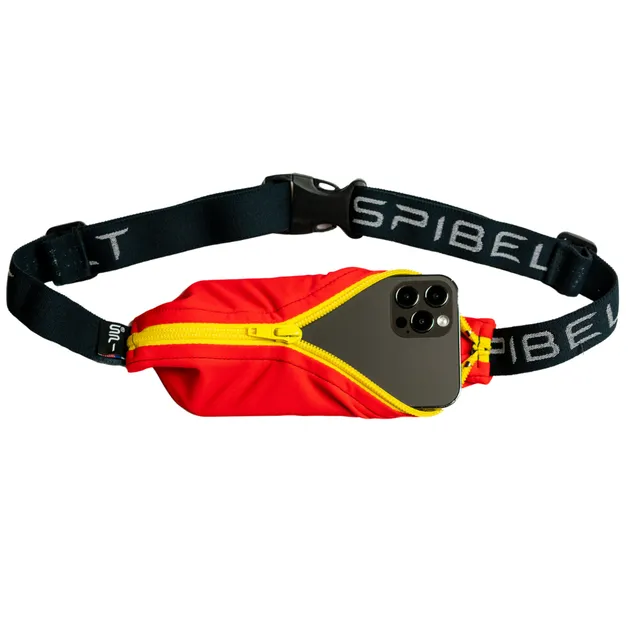
The SPIbelt Dual Pocket Running Belt ($44.39) is the version I'd buy for hiking specifically. Two separate expandable pockets mean your phone lives in one and your keys, lip balm, and a granola bar live in the other — no digging, no clinking. The pockets expand enough for large phones, including Pro Max-sized models, and the whole thing sits flat against your body under a jacket. If your budget is tighter, the Original SPIbelt at $25.91 does the core job with one pocket, and it's made in Austin, Texas, which counts for something. And if you're the type whose "quick morning hike" occasionally runs into sunset — which, statistically, will happen to you — the Reflective Elastic SPIbelt at $35.99 adds a full reflective band around the entire belt, so you're putting your visibility gear on automatically every time you put your phone somewhere safe.
I'll close with the $12 item that fixed the single most annoying part of my early hikes. Your shoes are fine — truly, any supportive sneaker or trail shoe works for beginner day hikes. But your laces are probably not. Standard cotton laces loosen over miles, come untied in mud, and turn every rest stop into a re-tying session.
The Nathan Elastic No-Tie Shoe Laces ($12, 4.5 stars across nearly 5,000 reviews) turn any shoe into a slip-on with a locked-in fit. You lace them once, set your tension, and the elastic flexes with your foot through each step instead of loosening. Two installation tips from the field: run the elastic through the eyelets with even tension on both sides before locking the toggle, and if the end clips feel loose, seat them fully and give a firm tug test before your first trail day. On hiking boots, note that some users with many eyelet pairs find the standard length runs short — they're ideal on low-cut trail shoes and sneakers.
Here's the whole guide in one place. Total investment for the full setup runs roughly $250–$290, and every item below earns its keep on hike number one and hike number fifty alike:
One last thing: buy less than you think you need, but buy the right things. Every item on this list solves a problem you will hit on your very first hike. Gear that solves problems you haven't encountered yet can wait — the trail will tell you when you're ready. Now go pick a trailhead, check the sunrise time, and start early. The best part of hiking is the part where you're already out there.
Orders over $45.00 ship free. Otherwise, shipping is $8.00.
Hassle-free returns
SSL encrypted checkout
100% genuine products
Compare 765 hiking backpacks and trail packs from Big Agnes, Mountain Hardwear, Nathan, and SPIbelt — free shipping over $45.
Email: support@trekhaul.shop
Address: 1427 Ridgeline Trail Suite 208, Boulder, CO 80302, United States